







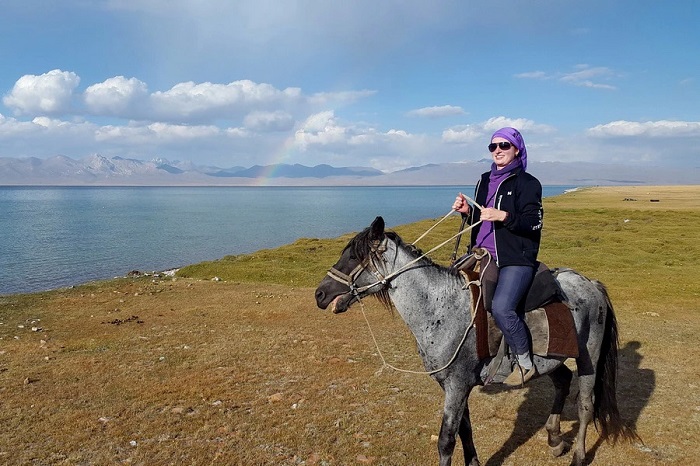
For centuries, Central Asia sat at the crossroads of the world. Along the ancient Silk Road, not only spices and silks were exchanged, but also ideas, patterns, and techniques that would influence fashion from Beijing to Baghdad. Today, as the global fashion industry seeks authenticity, sustainability, and deeper meaning, it is looking back to this region.
The fashion trends for 2026 are not about creating something entirely new. Instead, they are about revival, breathing modern life into ancient crafts. From the felt yurts of Kyrgyzstan to the ikat workshops of Uzbekistan, here are the key Central Asian-inspired trends set to define 2026.
1. The Resurgence of Nomadic Embroidery
Bold, intricate, and deeply symbolic nomadic embroidery is having a moment. In 2026, expect to see traditional patterns inspired by Kyrgyz shyrdak motifs and Uzbek suzani needlework moving from folk art to high fashion runways.
What makes this trend unique is its storytelling element. Each stitch carries meaning: ram’s horns for strength, birds for freedom, flowers for fertility. Designers are now incorporating these ancient symbols onto modern silhouettes: structured blazers, denim jackets, leather accessories creating a powerful fusion of past and present.
The most authentic examples of this embroidery can still be seen on traditional garments in Kyrgyzstan’s mountain villages, where patterns have been passed down through generations. Travelers interested in the origins of this trend can book private tours to Kyrgyzstan to visit artisan workshops and witness the craft being practiced exactly as it was centuries ago.
2. Sustainable Felt Reimagined
Long before “sustainable fashion” became a buzzword, nomadic women of Central Asia were practicing it. Felt, or koshma, is made from pure sheep’s wool using only water, soap, and human energy a completely zero-waste, biodegradable material.
For 2026, felt is shedding its rustic image and entering the world of high fashion. Designers are reimagining this ancient fabric in unexpected ways: structured felt coats that hold their shape like sculpture, minimalist felt handbags with clean lines, and even felt footwear that is surprisingly comfortable and weather-resistant.
What makes this trend particularly meaningful is its connection to the land. In Kyrgyzstan, felt-making is still a communal activity, with women gathering to create the large felt carpets that cover the floors of their yurts. This philosophy of community and sustainability is exactly what conscious consumers are seeking today.
3. Ikat: The Modern Wave
Ikat is perhaps Central Asia’s most famous export to the fashion world. The ancient resist-dyeing technique, known as abrband in Uzbekistan, creates fabrics with beautifully blurred patterns that have captivated designers for decades.
In 2026, ikat is evolving. While traditional patterns remain beloved, expect to see bolder interpretations: overscaled motifs that break the boundaries of the fabric, unexpected color combinations that feel contemporary, and luxurious applications like ikat on silk velvet or even blended with technical performance fabrics.
The city of Margilan in Uzbekistan’s Fergana Valley remains the heart of ikat production, where master craftsmen still dye threads by hand before carefully arranging them on looms. Each piece takes weeks to complete, a reminder that true style cannot be rushed.
4. The “Nomad Core” Silhouette
Comfort meets heritage in 2026’s defining silhouette. Drawing inspiration from traditional nomadic clothing, the “Nomad Core” look is all about fluidity, layering, and practicality.
Think wide-legged trousers that move with you, long layered vests inspired by the traditional Kyrgyz chapan (a quilted coat), wrapped jackets that require no buttons or zippers, and oversized scarves that can transform into blankets when the temperature drops. The palette is neutral and earthy, warm browns, soft greys, dusty greens, colors that mirror the steppe landscape.
This trend speaks to a broader cultural shift: after years of fast fashion, people want clothing that allows them to move freely, that adapts to different situations, and that feels like a second skin. Nomads understood this intuitively; their clothing had to work for riding horses, setting up yurts, and enduring extreme temperatures.
5. Vibrant Earth Tones and Mineral Dyes
One of the most significant shifts in 2026 fashion is the move away from synthetic, chemical colors toward natural, mineral-based dyes. And nowhere is the palette more beautiful than in Central Asia.
Deep reds come from madder root, grown in the foothills of the Tien Shan mountains. Indigo blues, traded along the Silk Road for centuries, create rich midnight shades. Warm ochres and saffron yellows are extracted from local plants and minerals. These colors have a depth and complexity that synthetics simply cannot replicate. They seem to change in different lights, revealing new shades as the day progresses.
In remote villages across Kyrgyzstan and Tajikistan, elderly women still guard the secrets of natural dyeing, knowledge that is now being sought after by eco-conscious fashion houses around the world.
6. Silver and Coral: Statement Jewelry
No nomadic outfit is complete without jewelry, and 2026 is embracing this maximalist spirit. The trend is toward bold, handcrafted silver pieces, often incorporating carnelian, coral, or turquoise.
Turkmen jewelry, with its intricate silver filigree and large carnelian cabochons, is particularly influential. These pieces were traditionally worn as amulets for protection against evil spirits and symbols of wealth and status. A married woman’s jewelry collection could weigh several kilograms, each piece telling a story about her family and tribe.
In 2026, the modern take is to pair one statement piece, perhaps a massive silver belt buckle or ornate earrings, with otherwise minimalist clothing. The contrast creates impact while honoring the craftsmanship.
7. Upcycled Textile Art
Perhaps the most exciting trend for 2026 is the rise of upcycled textile art. Vintage Central Asian textiles, fragments of old embroidered panels, pieces of ikat from the early 20th century, sections of felt carpets- are being carefully incorporated into new garments.
This creates truly one-of-a-kind pieces. A jacket might feature sleeves made from antique suzani fabric, while the body is contemporary linen. A handbag might showcase a fragment of Turkmen embroidery that is over 100 years old.
These pieces carry history. They honor the original makers while giving new life to materials that might otherwise be lost. For fashion lovers seeking authenticity and meaning, nothing compares to wearing a piece of textile art with its own story.
Conclusion: From Runway to Silk Road
The fashion trends of 2026 point toward something deeper than aesthetics. They reflect a growing desire for connection: to history, to craftsmanship, to the natural world. And Central Asia, with its ancient textile traditions and living nomadic culture, offers the most authentic source of this inspiration.
For those who want to move beyond trends and experience the authentic textile traditions that inspire them, a journey is the next step. Private tours to Kyrgyzstan offer an immersive experience into the heart of this craft, from felt-making workshops in high mountain pastures to meetings with master embroiderers in village homes. Here, fashion is not just something you wear – it is a living tradition, waiting to be discovered.