




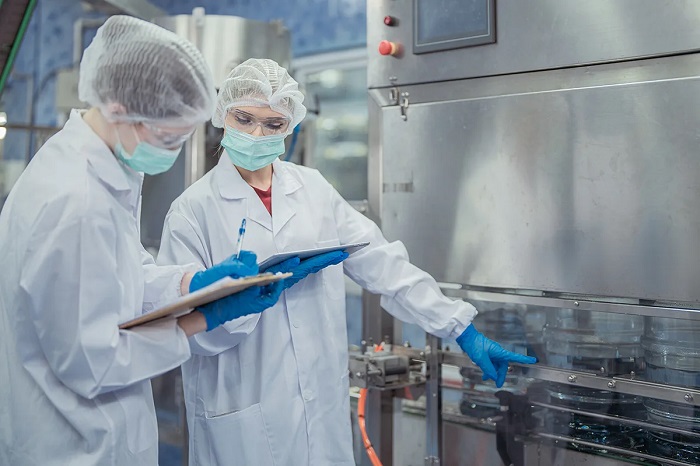
Sterile Processing Technicians play a crucial behind-the-scenes role in healthcare. They are responsible for ensuring that all surgical instruments are cleaned, sterilized, and ready for use, preventing infections and ensuring the safety of patients. For those considering a career in this field, the journey from training to real-world practice can be both rewarding and challenging.
Effective certified sterile processing technician training ensures that students are not only equipped with theoretical knowledge but also prepared for the practical challenges they will face in hospitals, surgical centers, and clinics. In this article, we will explore how the training process prepares aspiring technicians for the realities of working in a sterile processing department.
Certified sterile processing technician course: Starting with the Basics
The foundation of becoming a successful Sterile Processing Technician begins with a comprehensive certified sterile processing technician course. In this program, students are introduced to the basics of the profession, including infection control, sterilization techniques, and the essential tools of the trade. Training typically covers topics such as:
- Microbiology basics: Understanding microorganisms, bacteria, viruses, and how they spread is crucial to understanding the importance of sterilization and infection prevention.
- Sterilization methods: Students learn about various sterilization methods such as steam, chemical, and low-temperature sterilization, each of which is vital for different types of medical instruments.
- Cleaning and decontamination: Before sterilization, instruments need to be cleaned thoroughly. Students are taught how to decontaminate and disinfect instruments to remove debris and biological materials.
In a well-structured certified sterile processing technician course, students receive the essential knowledge required for the role, which sets them up for the hands-on training that will come next.
Transitioning from Theory to Practice
Once the foundational knowledge is in place, certified sterile processing technician training transitions into practical, hands-on training. This phase is vital as it bridges the gap between theory and real-world application. Students will have the opportunity to practice their skills in simulated environments or, in some cases, actual healthcare facilities through externships.
The hands-on training allows students to:
- Work with real sterilization equipment: Understanding how to use sterilizers, ultrasonic cleaners, and other essential tools is critical. Through direct experience, students learn to handle these devices efficiently and safely.
- Assemble surgical instrument trays: Sterile Processing Technicians are responsible for assembling the correct set of instruments for surgeries. Practicing this process ensures that students understand the importance of precision and attention to detail.
- Inspect medical instruments: After cleaning and sterilizing, instruments must be inspected to ensure they are free from defects, contamination, or damage. This part of training helps students develop an eye for detail and enhances their ability to detect issues before they become problems.
Adapting to High-Pressure Situations in the Real World
One of the main challenges Sterile Processing Technicians face in their day-to-day roles is working under pressure. In real-world healthcare settings, Sterile Processing Technicians often work with tight deadlines and urgent requests. For example, in the case of emergency surgeries, instruments need to be sterilized and delivered quickly, without compromising safety or quality.
The training prepares students for these high-pressure scenarios by:
- Time management: Students learn to prioritize tasks effectively to ensure timely sterilization and preparation of instruments, especially when dealing with unexpected or emergency situations.
- Attention to detail: Even in a rush, every instrument must be thoroughly cleaned, inspected, and sterilized. Training helps students develop a strong attention to detail, ensuring that no steps are skipped, even under tight timelines.
- Problem-solving: In practice, things may not always go according to plan. Whether it’s a sterilization failure or a missing instrument, students are taught to think on their feet and come up with solutions to maintain safety and efficiency.
These skills are not only critical in sterile processing but also in creating a dependable and efficient working environment, especially in a busy hospital or surgical center.
Certified sterile processing technician training: Emphasizing Compliance and Safety
Sterile Processing Technicians work in a highly regulated field, where adherence to safety protocols and compliance with industry standards are essential. During certified sterile processing technician training, students learn the importance of:
- Regulatory compliance: Training includes educating students on key regulations and standards set by organizations such as the Centers for Disease Control and Prevention (CDC) and the Occupational Safety and Health Administration (OSHA). These regulations dictate everything from sterilization temperatures to record-keeping procedures, ensuring that all equipment is processed safely and meets healthcare standards.
- Quality control: Students are taught how to maintain the quality of sterilized instruments by conducting routine checks and ensuring that all equipment is functioning properly. This attention to detail helps minimize errors and prevent the risk of infection.
- Documentation: Keeping accurate records is vital in sterile processing. Students are trained in how to document sterilization cycles, equipment maintenance, and inspection reports to ensure accountability and compliance with healthcare regulations.
By learning how to uphold these standards, students develop the skills necessary to prevent errors, maintain safety, and ensure that healthcare facilities meet regulatory requirements.
Building a Career Beyond Training
The skills learned during certified sterile processing technician training lay the foundation for a fulfilling and stable career. Once you’ve completed your training, you’ll be well-equipped to step into a sterile processing role in a variety of healthcare settings, including:
- Hospitals: The largest employers of Sterile Processing Technicians, offering a wide range of job opportunities.
- Surgical Centers: Specialized clinics that perform outpatient surgeries and rely on Sterile Processing Technicians for the preparation of instruments.
- Dental Clinics: Dental procedures also require sterilized instruments, creating job opportunities in dental offices and practices.
As you gain experience in the field, you can move into more specialized roles such as:
- Lead Sterile Processing Technician: Overseeing a team of technicians and ensuring proper protocols are followed.
- Quality Assurance Coordinator: Monitoring and ensuring compliance with sterilization procedures and safety standards.
- Infection Control Specialist: Working alongside medical staff to develop and maintain infection prevention strategies within healthcare settings.
With ongoing professional development and certification, a career in sterile processing offers long-term stability and growth opportunities.
Final Thoughts
Becoming a Sterile Processing Technician is a rewarding and dynamic career choice. The transition from the classroom to the operating room requires a mix of theoretical knowledge and hands-on experience, which is precisely what certified sterile processing technician training provides. Through a combination of classroom learning and practical application, you will develop the critical skills necessary to succeed in a fast-paced, high-pressure healthcare environment.
The role of a Sterile Processing Technician is essential in maintaining patient safety, preventing infections, and supporting the surgical team. With the right training, you’ll be prepared to meet the challenges of this important profession and start a successful, fulfilling career in healthcare. Whether you’re just beginning your journey or looking to further your skills, certified sterile processing technician training is the key to unlocking this essential healthcare role.