






Standing at the intersection of Africa and Asia, Egypt has captivated the human imagination for over five thousand years. This is a land where desert winds whisper secrets of pharaohs, where the world’s longest river sustains life against impossible odds, and where modern cities pulse with energy while ancient stones stand silent witness to the passage of time. For travelers seeking experiences that transcend ordinary tourism, Egypt offers a journey into the very foundations of human civilization.
The Eternal Story: Egypt’s Historical Magnificence
Egypt’s historical significance cannot be overstated. While other ancient civilizations rose and fell, Egypt maintained cultural continuity for three millennia, developing systems of government, religion, art, and science that influenced cultures across the Mediterranean world and beyond. The unification of Upper and Lower Egypt around 3100 BCE marked the beginning of the dynastic period, when divine kings ruled from Memphis and later Thebes, commanding resources to construct monuments that would outlast empires. The ancient Egyptians believed in eternal life, and their obsession with immortality drove them to create structures designed to last forever.
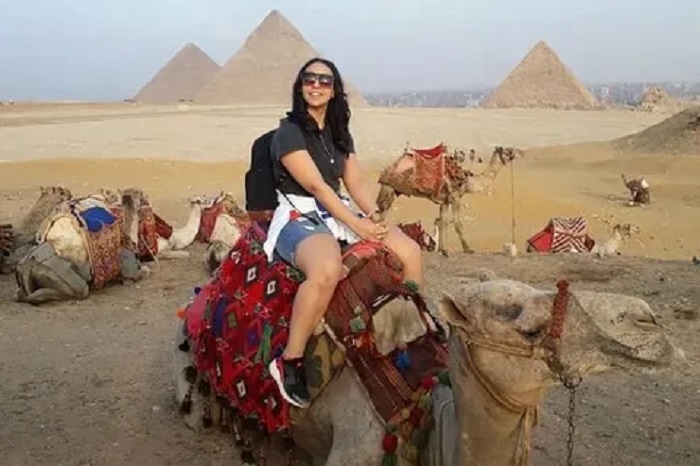
The architectural achievements of ancient Egypt reflect both practical engineering skills and profound religious beliefs. The pyramids, built primarily during the Old Kingdom’s Fourth Dynasty, served as massive tombs designed to protect royal bodies and possessions for eternity. The Great Pyramid of Khufu, constructed from approximately 2.3 million stone blocks, rose to 146 meters, making it the tallest human-made structure for nearly 4,000 years. The precision of its construction—sides oriented to cardinal directions with less than one-tenth of a degree error, blocks fitted so tightly that a blade cannot slip between them—demonstrates mathematical and astronomical knowledge that continues to impress modern scholars. Those planning their Egyptian adventures will find that exploring these monuments provides insights not just into ancient construction techniques but into the values, beliefs, and aspirations of the civilization that created them.
The pharaonic era progressed through distinct periods, each leaving characteristic monuments and artistic styles. The Middle Kingdom saw refinement of literature and art, with more naturalistic sculpture and sophisticated narrative texts. The New Kingdom represented Egypt’s imperial zenith, when military campaigns extended Egyptian control into Nubia and the Near East. Pharaohs like Hatshepsut, Egypt’s most successful female ruler, and Ramses II, who reigned for sixty-seven years and left monuments throughout the land, embodied this era’s power and ambition. The temple complexes they built at Karnak, Luxor, and Abu Simbel showcase architectural ambition on a scale matched by few other civilizations. The famous plateau where these ancient structures stand has become synonymous with Egyptian tourism, and visitors exploring Giza tours and attractions encounter not merely ancient buildings but tangible connections to human history’s earliest chapters.
Egypt’s historical narrative extends far beyond the pharaonic period. Alexander the Great’s conquest in 332 BCE introduced Hellenistic culture, culminating in the Ptolemaic Dynasty and the legendary reign of Cleopatra VII. Roman rule transformed Egypt into the empire’s breadbasket, with wheat from the Nile Valley feeding Rome itself. Early Christianity found fertile ground in Egypt, producing desert monasticism and the Coptic Church, which survives today as one of Christianity’s oldest continuous traditions. The Arab conquest in 641 CE brought Islam, fundamentally reshaping Egyptian culture and identity. Medieval Cairo became one of the Islamic world’s great centers of learning, commerce, and culture. Ottoman rule, European colonialism, and finally modern independence have all left their marks on Egyptian society, creating a uniquely layered cultural landscape where Roman aqueducts, Byzantine churches, medieval mosques, and contemporary buildings coexist.
A Land of Stark Contrasts: Egypt’s Geography
Egypt occupies a unique geographical position, straddling northeastern Africa while the Sinai Peninsula extends into southwestern Asia. The country encompasses approximately one million square kilometers, though human settlement concentrates in a remarkably small fraction of that vast territory. This concentration results from Egypt’s most defining geographical feature: the Nile River, which creates a narrow ribbon of fertility through an otherwise inhospitable desert landscape. Ancient Greek historian Herodotus famously called Egypt “the gift of the Nile,” a description that remains accurate today despite modern technology’s ability to mitigate nature’s constraints.
The Nile originates from two major tributaries: the White Nile, flowing from East Africa’s great lakes, and the Blue Nile, descending from the Ethiopian highlands. These rivers merge in Sudan before flowing north through Egypt to the Mediterranean. The river’s annual flood, caused by summer monsoon rains in the Ethiopian highlands, once deposited nutrient-rich silt across floodplains, naturally fertilizing fields and ensuring agricultural abundance. The construction of the Aswan High Dam in the 1960s ended these annual floods, providing year-round water control for irrigation and hydroelectric power while also ending the natural fertilization process that had sustained Egyptian agriculture for millennia. The dam created Lake Nasser, one of the world’s largest artificial lakes, extending over 500 kilometers into Sudan.
The Nile Valley and Delta, occupying just 4% of Egypt’s land area, support over 95% of the population. Cairo, the capital, has grown into a megacity of over 20 million inhabitants in the metropolitan area, making it Africa’s largest urban agglomeration. The Nile Delta, where the river branches into multiple distributaries before reaching the Mediterranean, is among the world’s most fertile and densely populated agricultural regions. This concentration of population and agriculture in such a limited area creates environmental challenges, including water scarcity, pollution, and the pressure of development on agricultural land.
Beyond the Nile’s green corridor lies desert—vast expanses of sand, rock, and gravel stretching to Egypt’s borders. The Western Desert, part of the Sahara, dominates western Egypt and includes the Libyan Desert, one of Earth’s driest regions. Within this seemingly lifeless expanse lie oases where groundwater reaches the surface, supporting communities that have maintained distinct cultures for centuries. The Great Sand Sea, a vast area of towering sand dunes, presents landscapes of austere beauty. The White Desert, near Farafra Oasis, features surreal chalk rock formations sculpted by wind into mushroom-like shapes that glow brilliantly in sunlight. The Black Desert, named for its volcanic rock-covered hills, provides stark contrast to surrounding golden sands.
The Eastern Desert presents different terrain, with the Red Sea Mountains rising sharply between the Nile and the Red Sea coast. These ancient, eroded mountains contain valuable mineral deposits that ancient Egyptians mined for gold, copper, turquoise, and other materials. Wadis—dry riverbeds that occasionally carry flash flood waters—cut through the mountains, providing routes that ancient caravans used to reach the Red Sea. The Red Sea itself, a narrow body of water separating Africa from Arabia, harbors one of the world’s most spectacular marine ecosystems. Its coral reefs, home to over 1,000 fish species and 200 coral species, attract divers from around the globe. The combination of warm, clear water, minimal tidal fluctuation, and the reef’s relative proximity to shore creates ideal conditions for coral growth and marine life diversity.
The Sinai Peninsula, connected to mainland Egypt by the Suez Canal’s western bank, rises from coastal plains to rugged mountains reaching over 2,600 meters at Mount Catherine, Egypt’s highest point. This peninsula has witnessed key events in Jewish, Christian, and Islamic history, making it sacred to all three Abrahamic faiths. Its southern tip, where the Gulf of Suez and Gulf of Aqaba meet, contains some of the Red Sea’s finest coral reefs and most popular dive sites. The geographic diversity across Egypt means that travelers can experience multiple distinct environments—from lush riverbanks to stark deserts, from Mediterranean beaches to Red Sea reefs, from low-lying delta to high mountains—all within one country’s borders.
Climate Realities and Social Fabric
Egypt’s climate reflects its geography, with desert conditions prevailing across most of the country. The climate is classified as hot desert in the south and warm desert in the north, with only the Mediterranean coast experiencing a Mediterranean climate with winter rainfall. Understanding these climatic patterns is essential for anyone planning to visit, as weather significantly impacts comfort, activities, and even health during Egyptian travels.
Summer, lasting from May through September, brings intense heat across Egypt. Southern cities like Aswan and Luxor regularly record temperatures exceeding 40°C (104°F), with maximums occasionally reaching 45°C (113°F) or higher. Cairo and the Delta, while slightly cooler, suffer from high humidity that makes heat feel more oppressive and reduces the body’s ability to cool through perspiration. Coastal areas benefit from sea breezes that moderate temperatures and increase comfort. Despite the heat, summer has advantages for travelers: dramatically lower prices, empty archaeological sites, and extended daylight hours for exploration. However, outdoor activities during midday hours can be genuinely dangerous without proper precautions including constant hydration, sun protection, and regular breaks in shade or air-conditioning.
Winter, from November through March, transforms Egypt into a more comfortable destination. Daytime temperatures typically range from 15-25°C (59-77°F), ideal for walking tours and outdoor activities. However, winter brings its own challenges. Nights can be surprisingly cold, particularly in desert areas and Upper Egypt, where temperatures may drop to 5°C (41°F) or below. Hotels in Upper Egypt often lack central heating, and stone buildings can be uncomfortably cold during winter evenings. Winter is also Egypt’s rainy season, though “rainy” is relative—most areas receive less than 25mm of rainfall annually, with precipitation concentrated on the Mediterranean coast. Winter brings peak tourist season, meaning higher prices and crowded sites, particularly around Christmas and New Year holidays. Those seeking to experience Egypt during optimal weather conditions while enjoying organized itineraries often discover that booking vacations in egypt during shoulder seasons of March-April or October-November provides the best balance of weather, crowds, and value.
Spring and autumn serve as transitional seasons with variable weather. March through May sees gradually rising temperatures, occasional rain in the north, and the khamsin—hot, dry winds from the Sahara carrying sand and dust that can reduce visibility and create uncomfortable conditions for several days. September through October brings gradually cooling temperatures and generally pleasant conditions, though occasional heat waves can extend summer-like weather into autumn. These shoulder seasons often provide the best overall experience, combining comfortable weather with moderate crowds and reasonable prices.
Egyptian society reflects thousands of years of continuous habitation along the Nile, blended with influences from numerous conquering and trading civilizations. With over 100 million people, Egypt ranks as the Arab world’s most populous nation and Africa’s third most populous. This large population concentrates in a remarkably small area, creating population densities in Cairo and the Delta that rank among the world’s highest. Urban areas exhibit the energy and challenges of rapidly growing cities in the developing world: vibrant street life, intensive commerce, traffic congestion, and infrastructure struggling to keep pace with growth.
Islam dominates Egyptian religious and cultural life, with Sunni Muslims comprising approximately 90% of the population. The Coptic Orthodox Church, one of Christianity’s oldest denominations, claims most of the remaining 10%. Religious observance is generally high, with mosques full for Friday prayers and churches well-attended on Sundays. The call to prayer, broadcast from mosques five times daily, structures the rhythm of urban life. Ramadan, the Islamic month of fasting, transforms daily patterns as Muslims abstain from food and drink during daylight hours, with social life and commerce intensifying after sunset. Religious festivals, both Islamic and Christian, are celebrated enthusiastically.
Family forms the core of Egyptian social organization, with extended families maintaining close ties and providing mutual support networks that supplement limited government social services. Marriage and children are highly valued, with single adults often facing social pressure to marry. Gender roles, while evolving in urban areas, remain relatively traditional, particularly in rural regions. Men typically dominate public space, while women focus more on domestic responsibilities, though increasing numbers of women pursue education and careers.
Egyptian hospitality is genuine and generous. Egyptians take pride in welcoming guests and often extend invitations to share tea, meals, or simply conversation. This openness creates opportunities for meaningful cultural exchange but can also feel overwhelming for travelers accustomed to more reserved interactions. Understanding that relationship-building precedes business transactions helps navigate commercial interactions. Egyptians generally value personal connections over efficiency, so patience with what may seem like inefficiency by Western standards facilitates smoother experiences.
Egyptian Arabic differs significantly from Modern Standard Arabic taught in most language courses, though speakers of other Arabic dialects can generally understand it. Egyptian dialect has spread across the Arab world through Egypt’s influential film and music industries. English is increasingly common among educated Egyptians and those working in tourism, while French retains some presence from Egypt’s colonial period. Basic Arabic phrases facilitate interactions and are enthusiastically appreciated, though language barriers rarely prevent necessary communication in tourist areas.
Practical Wisdom for Egyptian Adventures
Successful travel in Egypt requires more than just booking flights and hotels. Understanding practical realities, cultural expectations, and logistical challenges helps travelers navigate Egypt confidently while avoiding common pitfalls. Whether you’re planning an extensive tour or a brief visit, preparation and cultural awareness significantly impact the quality of your experience.
Many travelers face a fundamental choice: travel independently or join organized tours. Independent travel offers flexibility and opportunities for spontaneous exploration but requires more time for planning, research, and managing logistics. It works best for experienced travelers comfortable with ambiguity, language barriers, and occasional frustrations. Organized tours, particularly comprehensive Egypt Private Tour Packages, provide structure, expertise, and efficiency that independent travelers cannot easily replicate. Professional guides transform archaeological sites from impressive ruins into vivid windows on the past, explaining hieroglyphics, identifying deities, and placing monuments in historical context. Tour operators handle transportation, accommodations, entrance fees, and reservations, eliminating logistical hassles that can consume considerable time and energy. For first-time visitors, those with limited time, or travelers prioritizing depth of understanding over spontaneity, organized tours typically provide superior value despite higher upfront costs.